Social empowerment of women
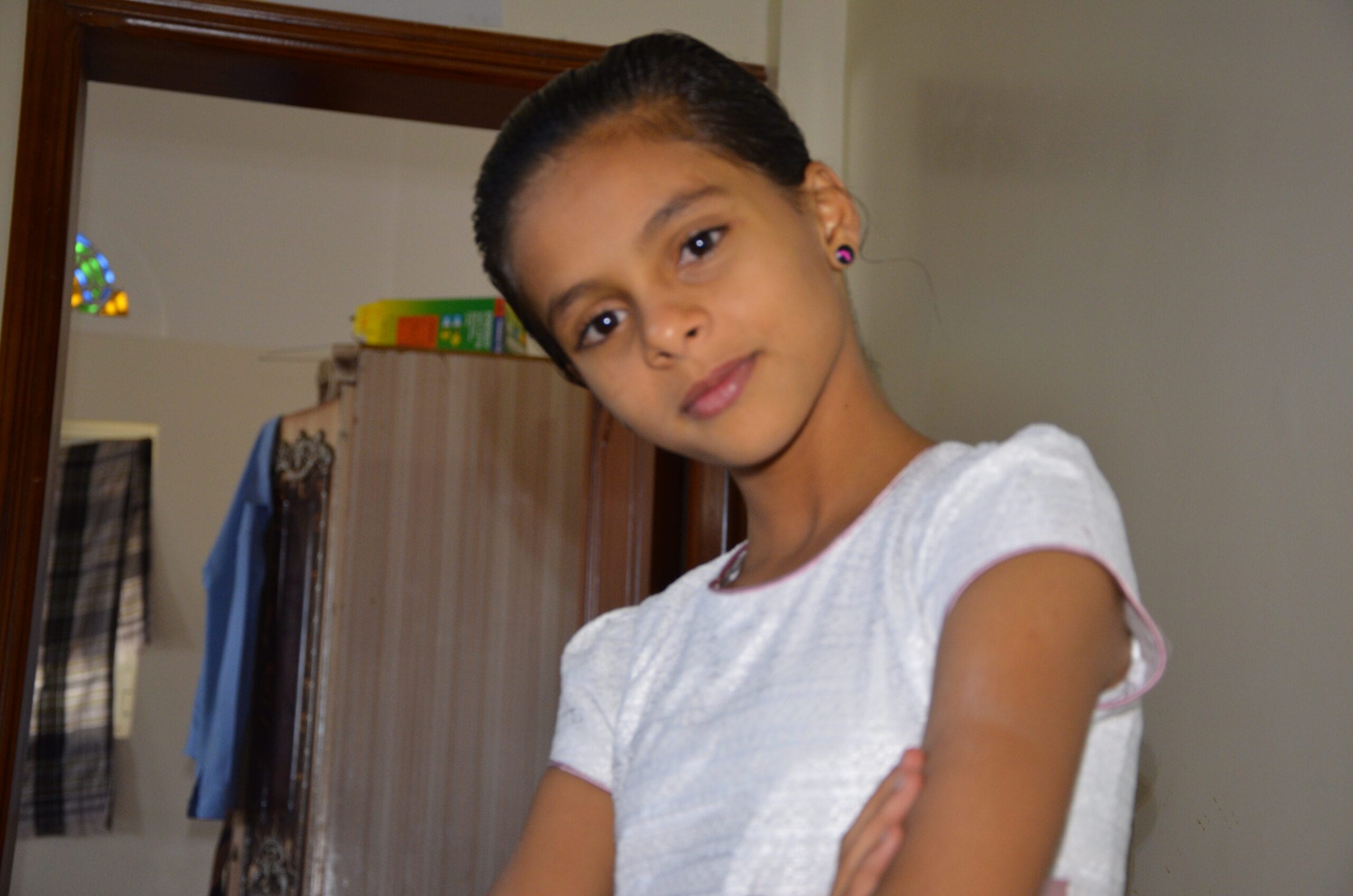
The social empowerment of women covers many issues, from ending violence to education, health and housing. This article by Sanjay Kali looks at each of them in turn.
Measuring women's status
The indicators of women's social empowerment include gender inequality, sex ratios, life expectancy and fertility rates. Together they show the general status of women in terms of literacy, economic growth, access to health care and birth control, education, age at marriage and participation outside the home.
Gender inequality is found all over the world. Apart from a few Nordic countries, almost every major country scores poorly on it.
- Sex ratio: in Asia, the sex ratio is against women.
- Life expectancy: it has risen around the world, Asia included, but this has not improved the overall status of women in much of the world.
- Fertility: rates have fallen in some regions, Asia included, but the benefit for women has been smaller than hoped.
- Literacy: there is a glaring gender gap. It is narrowing across Asia, but female literacy in the developing world is far from encouraging.
Ending violence against women
Violence against women is real, and we must recognise the tragedy behind this crime. It shatters women psychologically and physically.
It is time to make community development and feminist values a central part of women's empowerment. Women need to be educated and made aware of their rights. They should be encouraged to stand together against the biased and discriminatory social environment that harms them, directly and indirectly.
Education and awareness would be a big step in the fight against gender-based violence. Only through them can we reach the vast majority of women around the world and help them avoid the many forms of violence they may face.
Women are under constant threat of violence from many sides. The oppressive structures of society must change and the oppression of women must stop. This will not happen through quick fixes. It can only come through women's social empowerment at grassroots level, with education and awareness.
The issues involved
Women's social empowerment covers a range of issues that apply differently in different parts of the world. The main ones are:
- education for women
- health for women
- nutrition for women
- drinking water and sanitation for women and their families
- housing and shelter for women and their families
- women and the environment
- women's participation in science and technology
- care for women in difficult circumstances
- the fight against violence against women
- the rights of the girl child
Education for women
Gender inequality and discrimination have long been the norm in society, and they touch every part of women's lives.
Education and training for women are among the main goals of social empowerment, and they must reach every part of the world. Education raises women's awareness, which in turn builds their confidence. A confident, well-informed woman can deal with inequality and discrimination far better than one without education or training.
But women and girls have never had the same access to education as men and boys:
- Illiteracy is highest among women.
- Women lag far behind in paid work because they lack skills and education.
- There is a deep gender gap in secondary and higher education.
- Religious and caste divisions have made things worse in many parts of the world.
The work has to start at grassroots level. Education systems must become easier for women to reach, and they must be reformed into gender-sensitive systems that tackle sex stereotyping and discrimination.
Social organisations can play a major role in bringing education to everyone at the most basic level. They can do this by raising the number of girls who enrol and stay in primary school, and by giving them good education and skills so that they can stand on their own feet and live with dignity.
Health care for women
Women face hard times at every stage of life.
Sadly, a section of society is deeply prejudiced against the girl child. The author calls the female foeticide it practises a heinous crime of the highest order.
Infant and maternal deaths are high, and early child marriage is one of the main reasons.
Other problems include:
- Good health care for women is not available in many parts of the world.
- Women's right to make informed choices about reproduction needs attention. Women do not even have an affordable choice of family planning methods, and education and awareness on this are absent.
- Women are vulnerable to sexually transmitted diseases and to other endemic, infectious and communicable diseases. HIV/AIDS is another major problem.
- Women's traditional knowledge of health care and nutrition, and alternative systems of medicine, are underused and not recognised.
These alternative systems should be recognised and brought together with mainstream health care so that the two work side by side. This will help provide affordable, good-quality health care for women.
Nutrition, drinking water, sanitation and housing
Women face the highest risk of malnutrition at every stage, from infancy and childhood to adolescence and adult life.
The health of an adolescent girl, who later becomes a pregnant and breastfeeding woman, is closely linked to the health of her baby. These stages need both macro- and micronutrients, but most women do not get them.
At home, women and girls face serious discrimination when it comes to good, nutritious food. This happens both in a child's early years and during pregnancy and breastfeeding.
Other major issues are drinking water and sanitation, especially in rural areas and urban slums.
Housing and shelter also need attention. This includes adequate and safe accommodation for single women, women heading households, working women, students, apprentices and trainees.
These are real problems in the real world we live in. Without meeting these basic needs, no meaningful step towards women's social empowerment is possible.
Women and the environment
Women's social empowerment and the environment are closely linked. Women can play a major role in protecting and restoring the environment.
Rural women use unconventional, nature-friendly sources of energy such as animal dung, crop waste and firewood. Solar energy, biogas and smokeless stoves can really help rural women, because they are environmentally friendly tools.
Women in science and technology
Women's empowerment cannot be complete without their fair participation in science and technology. Women have a special role to play here and can bring a wave of creative energy to these fields.
Today their participation is limited to very small numbers. The reasons are widespread discrimination in basic education and a lack of opportunities for higher study.
Science and technology can also reduce drudgery. This would free women from endless household chores and let them contribute to the mainstream of society.
Helping women in difficult circumstances
Women in difficult circumstances need special attention. They include:
- women in extreme poverty
- destitute women
- women in conflict situations
- women affected by natural disasters
- women in less developed regions
- disabled widows
- older women
- single women in difficult circumstances
- women heading households
- women who have lost their jobs
- migrant women who are victims of violence in marriage
- deserted women
- women in prostitution
These women are in circumstances not of their own making. They are victims of the selfishness of society. It is ironic that women become the main victims of all of society's malice and wrongs, and it is time to reverse this.
Organisations, especially grassroots social organisations, should come forward in large numbers to help these women, who suffer for wrongs they did not commit.
Fighting violence and discrimination
Violence against women is a heinous crime against humanity. It can be physical or psychological. It happens at home and at other levels of society.
In many societies it is practised openly, in many forms, including customs and traditions. Sexual harassment at work, dowry-related violence and the trafficking of women and girls are all forms of violence against women.
Discrimination against women starts in childhood. Discrimination against girls is the most common form of harassment, seen from a child's earliest years. At home and in society, girls face many kinds of violence and discrimination:
- sex selection by parents
- female foeticide
- female infanticide
- child marriage
- child abuse, including sexual and psychological abuse
- child prostitution
Special awareness and education programmes must be designed and carried out at every level to fight violence against women. Strict laws are needed against it.
More important than writing the laws is to implement and enforce them, so that violence against women can be rooted out. This is essential for any meaningful social empowerment of women.