Ending sexual violence in Nigeria
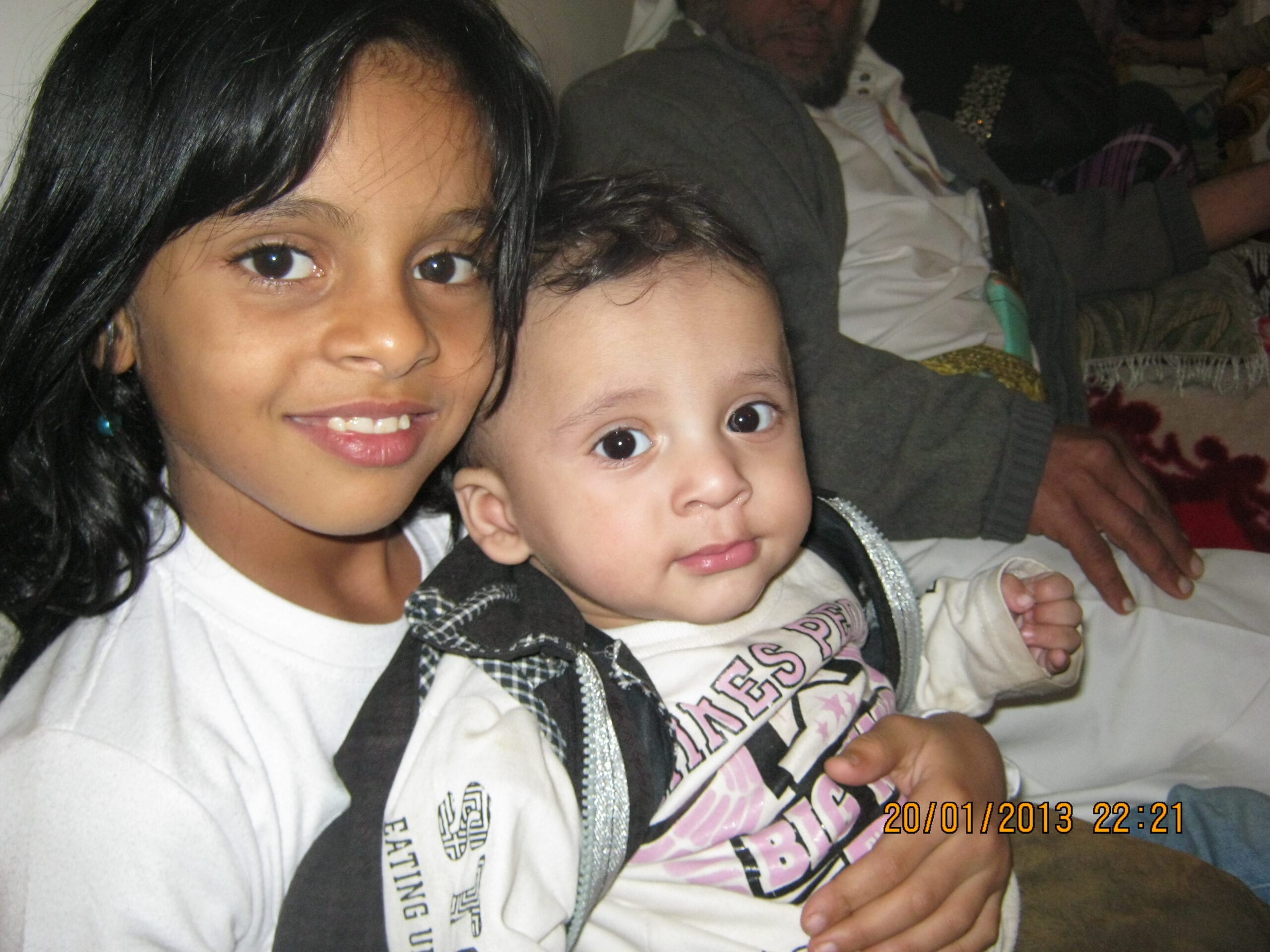
Sexual violence against women and girls is widespread in Nigeria and seldom reported. In this article, a human rights lawyer sets out its forms, its causes and its effects, and what must change to end it.
About the author
The author is a human rights activist and a lawyer who fights for the rights of victims of human rights violations. She has worked with several human rights organisations. Besides her private law practice, she runs an NGO, Virtuous Women Empowerment International.
No issue matters more to her than protecting the well-being of women and girls.
An underreported problem
Sexual violence is broadly underreported in Nigeria. The reasons include victims' lack of awareness, stigma and the resulting lack of records, society's acceptance of the act as normal, and corruption. Available data therefore tend to underestimate the true scale of the problem.
Prevalence data on violence against women in Nigeria show [1]:
- lifetime physical and/or sexual violence by an intimate partner: 16%
- physical and/or sexual violence by an intimate partner in the last 12 months: 11%
- lifetime sexual violence by a non-partner: 2%
- child marriage: 43%
- female genital mutilation/cutting: 25%
In the author's view, the problem has grown sharply, driven by graphic sexual images in the media and by a decline in social morals.
The World Health Organization (WHO), in its 2002 World Report on Violence and Health, defines sexual violence as "any sexual act, attempt to obtain a sexual act, unwanted sexual comments or advances, or acts to traffic, or otherwise directed, against a person's sexuality using coercion, by any person regardless of their relationship to the victim, in any setting, including but not limited to home and work" [2].
Sexual violence is a neglected issue in Nigeria and across Africa. The author argues that a coordinated movement against it is needed.
"A man's world"
People say it is a man's world. For the author, this is not just a saying but a daily reality. In law, judgements are still often based on the "reasonable man" standard, which assumes male bodies and male experiences.
A man is unlikely to be threatened by another man of about the same size and strength. Women, however, are most likely to be assaulted and killed by an intimate partner, most often a man.
In Nigeria, society puts men's bodies, experiences and needs first. Women are often pushed aside and not respected. Women and girls are treated as property and are violated at will, without punishment.
Despite more education and claims of progress, there is no real respect for the dignity of women and girls. Sexual violence in Nigeria affects females of every age. It is committed by parents, caregivers, acquaintances, employers and strangers, as well as intimate partners.
The forms it takes
Physical violence, emotional abuse and sexual contact without consent happen every day in Nigeria. They include:
- female genital mutilation
- forced "virginity inspections" by a father, a husband-to-be or teachers
- forced prostitution and trafficking for sexual exploitation
- incest by fathers against their daughters
- sexual abuse of girls by teachers, uncles and caregivers
- speaking to women in a sexually improper way, accosting them in the street, and touching their bodies under the pretext of greeting or courting them
According to the author, men do these things lightly and get away with it. Some believe all women are "loose"; others treat women as children.
What the law says
A man may not have sexual contact with a woman without her consent. Consent obtained by force, deceit, manipulation or misrepresentation is not consent. Sexual intercourse between a father and his daughter, or between close blood relatives, is forbidden.
There is also an age limit. Nigeria's Sexual Offences Bill sets the age of consent at 18, so sexual intercourse with a child or an adolescent is not allowed.
Public awareness of this is low, largely because the subject is not discussed openly.
Causes
The author sees poor parenting as a major cause. Out of a sense of moral propriety, many mothers avoid teaching their children about sex. Some threaten their daughters instead of building a close relationship in which a girl can tell them what is happening to her.
She also writes that many mothers see their daughters as rivals for their husband's love and focus on themselves, without taking the time to teach the girl about her body.
Raising a child is the duty of both parents. Yet many fathers neglect to raise their sons to be responsible. A son who grows up in a home where the father dominates, assaults and sexually abuses his wife carries that attitude into his relationships with women and, later, with his own wife. Girls taught to obey their father are often not told that a father has no right to abuse them.
Other causes include:
- lack of support from the police and the courts
- general tolerance of sexual violence in the community
- weak community sanctions against perpetrators
- fear of stigma, insults and rejection
- not knowing that help is available
The effects
When women and girls are sexually oppressed, businesses and government agencies also pay the price. Employees miss work, security costs rise, and poverty grows because women cannot work to their full capacity.
Survivors suffer psychologically. Many cannot trust men, fear marriage or relationships, and lose their self-confidence. Many feel worthless because of the stigma placed on them.
Sexual violence also harms physical and mental health in the short and long term. It raises the risk of sexual and reproductive health problems, suicide and HIV infection, and can lead to murder and forced abortion.
What must change
To end sexual violence, the author calls for action on several fronts:
- Mothers should teach their daughters about sex and sound morals, and watch over them carefully.
- Churches and mosques should teach girls about incest and forbidden relations between close relatives.
- Schools should teach girls about these issues, and male teachers should be monitored.
- There should be clear legislation against sexual violence in every form.
The mindset of men in Nigeria must change, and the government must take a clear stand. Perpetrators should be arrested and prosecuted, and their cases used as a public warning to others.
When sexual violence is reported, a police officer may even take the perpetrator's side or dismiss the case. The author says the Nigeria Police Force needs proper training.
Women and girls should no longer tolerate sexual violence in any form but stand against it. Victims should report promptly to the police and to the nearest human rights NGO, so that offenders are prosecuted and their rights are enforced.
Men's role
Violence against women and girls is often fed by harmful ideas of masculinity. These lead men to believe they must show qualities and behaviour that make them superior to women. Physical strength and sexual prowess, for example, are used to measure whether someone is a "real man".
Most men do not consciously commit violence against women and girls. The main problem is that most men who do not take part stay silent. They do not hold other men to account or challenge their language and behaviour.
For men of every age, it is vital to start conversations among themselves about violence against women and girls, so that the attitudes and actions of boys and young men towards girls and women change.
A long-term effort
Ending this violence also means redefining traditional images of manhood that go against women's interests and rights, and recognising those rights.
Women and girls, too, must be able to speak about the violence they suffered because of their gender. Real fears of stigma and isolation can only be overcome when society broadly recognises how tragically normal violence against women and girls has become. Without emotional support and nonjudgemental care for survivors, offenders are left free to act with impunity.
Success must be seen as a long-term effort across generations. It means transforming cultures and societies whose beliefs and systems harm women and girls, as well as other vulnerable groups.
References
[1] UN Women, Global Database on Violence Against Women: Nigeria.
[2] Wikipedia: Sexual violence.