Let's stop child marriage in Bangladesh
Bangladesh has one of the highest rates of child marriage in the world. This video looks at the situation of adolescent girls there and the harm that early marriage does.
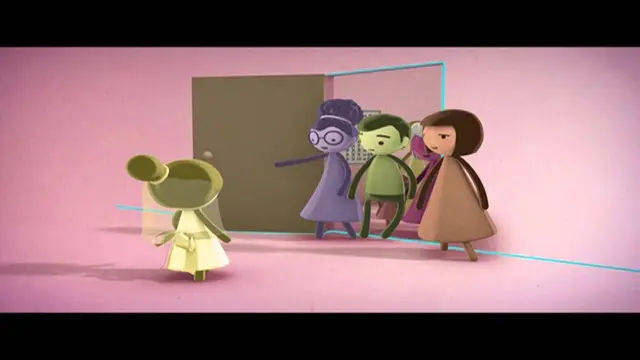 Play video: Let's stop child marriage in Bangladesh
The video loads from YouTube when you play it.
Adolescents in Bangladesh
By definition, adolescents are people aged 10 to 19 (UNICEF, The State of the World's Children, 2011). Bangladesh has an estimated 30 million adolescent boys and girls in this age group. That is 20 per cent of the population.
The situation of adolescent girls in Bangladesh mirrors that of adult women. It is marked by inequality and subordination in the family and in society.
This inequality leads to widespread child marriage. It also leaves girls marginalised or excluded from health care, education and economic opportunities, and exposed to violence and sexual abuse.
Married before 15
The legal age of marriage is 18 for girls and 21 for boys. Yet 33 per cent of adolescent girls are married before the age of 15, and 60 per cent become mothers by the age of 19.
Girls are considered ready for marriage once they begin to menstruate. Boys, however, are seen as ready only after several years of adolescence and young adulthood, often once they are financially independent.
Why girls are married young
When girls reach puberty, their families begin to see them as adults rather than the children they are, and their lives become more restricted. When they do go out or to school, men in their communities often harass them.
The bride's family also still commonly pays a dowry in Bangladesh, although this is illegal.
Other reasons for child marriage include:
- poverty;
- the wish to pay a lower dowry;
- concern for girls' safety and fear of sexual harassment (often called "eve teasing" in Bangladesh);
- family honour and chastity;
- adolescent girls lacking the power to negotiate a later marriage.
The harm it does
Child marriage has many harmful effects. It ends a girl's education. She may suffer health problems from too much household work, and quarrels and violence in her husband's home when she cannot understand what is expected of her. Above all, both the girl and her baby risk dying in childbirth.
In her in-laws' home, a young bride often has little status or bargaining power. She is more exposed to every form of abuse, including violence linked to dowry.
Most adolescent brides and their families know little or nothing about reproductive health and contraception. The maternal death rate among adolescents is double the national rate.
When girls are taken out of school, whether to marry or to work, they also lose economic and other informal learning opportunities.