Alleviating the humanitarian crisis in Yemen
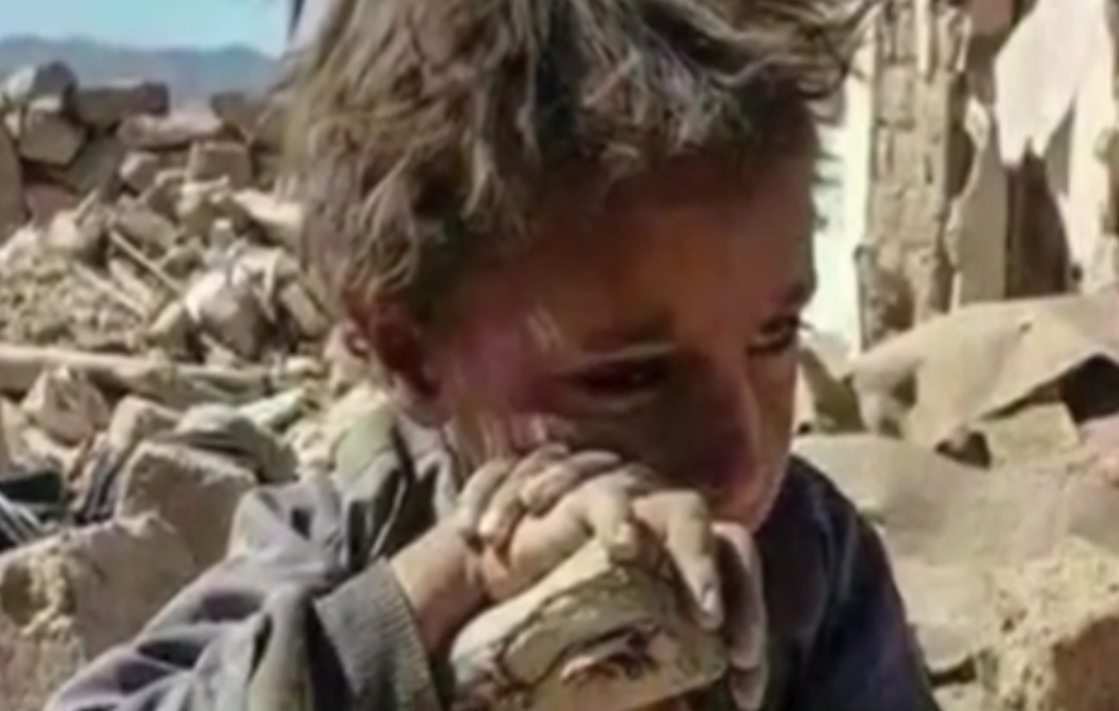
There is a devastating humanitarian crisis in Yemen. Many factors are deepening the suffering in the Arab world's poorest nation. The civil war is in its third year and has created conditions in which famine, disease and terrorism flourish. Many people and organisations are helping Yemenis in need, but the road to stability will be long.
The toll of the war
At least 10,000 people have been killed and two million people displaced by the war. Those fleeing the conflict suffer most. The war has led to famine, the collapse of Yemen's healthcare system and a cholera outbreak.
Almost half of Yemenis do not have secure access to food. Almost 2.2 million children are malnourished, 462,000 of them with severe acute malnutrition. The cholera outbreak has affected more than 300,000 people.
Collapse and poverty
The war has made these problems worse because it caused the healthcare system to collapse. Poverty also deepens the crisis. Many Yemenis lost everything they owned in the conflict. They have to work more and cannot take time off to stay with sick relatives in hospital. Many cannot afford the cost of travel and treatment.
The malnutrition suffered by a generation of children may also set the stage for another generation in poverty.
Who is helping
Some are stepping in to help. US Senator Todd Young (R-IN) is calling for a policy of aid to the country. He wrote a resolution on the humanitarian crisis in Yemen. He is also asking the United States to reprimand its ally Saudi Arabia.
Saudi Arabia is blamed for much of the suffering in the civil war. For example, it bombed cranes used to deliver food and medical aid, and then blocked the delivery of new cranes.
The WHO, UNICEF, Oxfam, Save the Children and Doctors Without Borders are among the organisations responding to the crisis:
- Oxfam has been in Yemen for 30 years, building better infrastructure and working for women's rights and an end to poverty.
- Save the Children has worked in Yemen since 1963 and fights for children's rights by providing education, healthcare and food.
- Doctors Without Borders provides free healthcare and is working hard to contain the cholera epidemic.
A shared duty
Life in Yemen has been shattered. One of the poorest countries in the world is being made poorer by civil war. Much of the world understands that, as fellow human beings, we have a duty to help end the humanitarian crisis in Yemen. This idea must spread and continue.