Pandemic triggers a child marriage trend in Maharashtra
The pandemic has harmed the lives of hundreds of teenage girls across Maharashtra, India. Data from the state's Women and Child Development (WCD) department shows that child marriages rose by 78.3% up to September this year, compared with the same period in 2019.
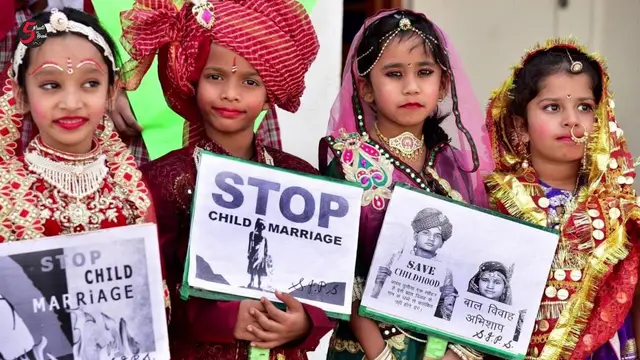 Play video: Pandemic triggers a child marriage trend in Maharashtra
The video loads from YouTube when you play it.
This video is part of the series "Itna To Hum Kar Hi Sakte Hai" by Anuradha Rajadhyaksha.
Why the numbers rose
Experts link the rise to growing poverty caused by the lockdown imposed to control the virus. Poverty has forced girls out of school and into work or marriage.
Child marriage is seen as one of the causes of early pregnancy and of malnutrition among children. Activists believe the numbers are only the tip of the iceberg. Many ceremonies went unreported because of the strict lockdown, limits on gatherings, and police being busy with Covid-19 and lockdown duties.
Under the Prohibition of Child Marriage Act 2006, child marriage is illegal in India. Marrying a girl under 18 or a boy under 21 is a punishable offence.
Where cases were reported
Most cases came from 17 districts of the state: Beed, Jalna, Aurangabad, Parbhani, Hingoli, Nanded, Ahmednagar, Latur, Buldhana, Dhule, Jalgaon, Nashik, Solapur, Osmanabad, Kolhapur, Sangli and Washim.
In June, the state government limited wedding receptions to 50 people. This made ceremonies very cheap for poor farmers, and child marriages have risen since then. Up to June, 76 cases were reported. In the following three months, 138 new cases were reported.
Poverty and work
A UNICEF report states: "In India, the median age at first marriage is 19.7 years for women in the richest quintile compared to 15.4 for the poorest women."
Maharashtra has many sugarcane factories where unemployed migrants look for work. Factory owners prefer couples to single workers. This has become one of the reasons why migrant labourers marry off girls.