From child, to bride, to mother: child marriage in South Asia
South Asia has the highest rates of child marriage in the world. This video looks at the scale of the problem, its causes and how UNICEF works to end it.
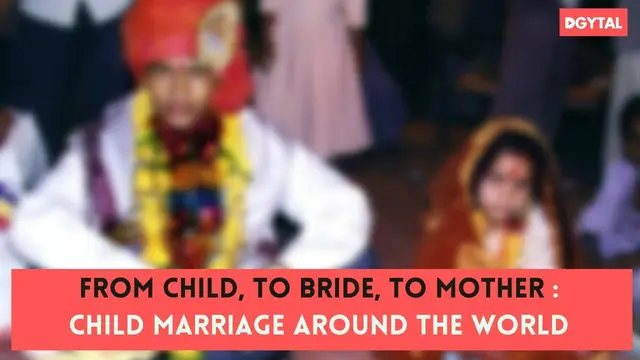 Play video: From child, to bride, to mother: child marriage in South Asia
The video loads from YouTube when you play it.
What child marriage means
Child marriage is the marriage of a girl or boy before the age of 18. It covers both formal marriages and informal unions in which children under 18 live with a partner as if married.
It affects both girls and boys, but girls far more, especially in South Asia.
The scale in South Asia
Almost half (45%) of all women aged 20–24 in South Asia said they were married before the age of 18. Almost one in five girls (17%) are married before the age of 15.
India has the largest number of child brides in the world: one-third of the global total. Bangladesh has the highest rate of child marriage in Asia and the fourth-highest in the world. Nepal also has one of the highest rates in Asia, for both boys and girls.
Child marriage violates children's rights. It puts them at high risk of violence, exploitation and abuse.
A slow decline
Child marriage in South Asia is declining: from 63% in 1985 to 45% in 2010. The fall is sharpest for girls under 15, from 32% in 1985 to 17% in 2010.
Marriage of girls aged 15–18 is still common, however. More must be done to protect older adolescents.
Why it happens
Child marriage comes from the interplay of economic and social forces. Where the practice is common, marrying a girl as a child is part of a set of social norms that reflect the low value given to girls' human rights.
UNICEF's approach to ending child marriage in South Asia recognises how complex the problem is, and the social, cultural and structural factors behind it.